

Industry experts warn of supply risks as global oil prices climb and regional markets absorb sharp increases
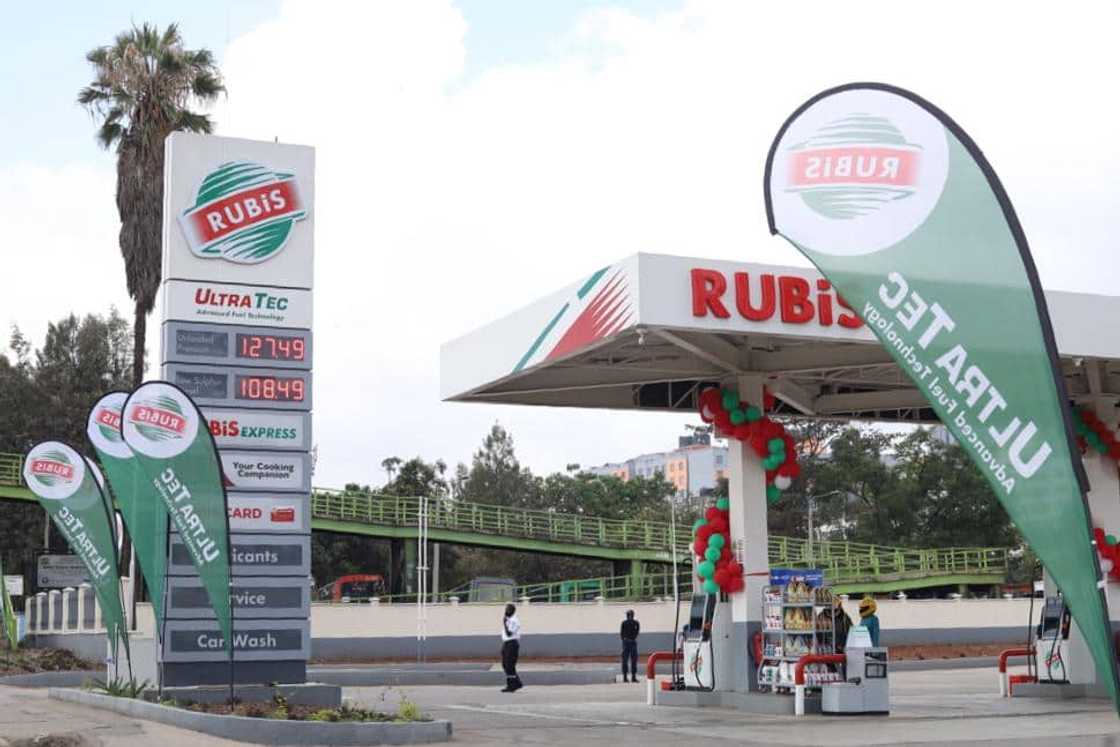
Kenyan motorists and businesses may need to brace for a significant jump in fuel costs, with industry projections suggesting petrol prices could rise by as much as Ksh53.40 per litre in the upcoming pricing cycle, potentially pushing the pump price to Ksh231.68 per litre.
The warning comes from Martin Chomba, Chair of the Petroleum Outlets Association of Kenya (POAK), who on Tuesday told Inooro FM that the next scheduled price review — due April 14 — could see pump prices climb anywhere between Ksh30 and Ksh60 per litre, depending on how the weighted average of recent fuel shipments is calculated.
ALSO READ: IEBC Advises Voters with Online Verification Issues to Visit Constituency Offices
Prices Anchored to Last Month’s Imports — For Now
Current fuel prices at Kenyan filling stations reflect cargo that arrived at the Port of Mombasa roughly a month ago, before a recent wave of global oil price increases took hold. The forthcoming review will instead be based on shipments that docked between March 9 and April 10, a period that captures the full impact of the recent price surge on international markets.
“The stability we are seeing at the pump right now is temporary,” Chomba cautioned. “The figures being used in the next review will tell a very different story.”
Regional Pressure: Tanzania’s 30% Hike a Warning Sign
Kenya’s fuel market does not operate in isolation. Chomba pointed to Tanzania’s recent decision to raise fuel prices by more than 30 percent as an indicator of the broader regional direction and a signal of what lies ahead for Kenyan consumers.
He was equally direct about the consequences of artificially suppressing prices. “Without lying to Kenyans, fuel prices must go up. If the prices don’t go up, then it will be difficult to find the fuel,” Chomba stated, warning that holding prices below market levels risks triggering supply shortages.
A Country Without Strategic Reserves
One of the more sobering dimensions of Chomba’s assessment concerns Kenya’s structural vulnerability in the energy supply chain. The country, he explained, holds no meaningful strategic fuel reserves and relies almost entirely on continuous imports to keep the market supplied.
“Today, we would have a big crisis if no ship docks at the Port of Mombasa,” he said. “The oil we have in the pipeline can only last 21 to 30 days at most. At that point, there is no holiday like Easter, and schools are closed.”
This dependence on just-in-time imports leaves the country with little buffer against disruptions — whether driven by global price shocks, logistical delays, or port congestion.
Distribution Gaps Emerging in Rural Areas
Beyond the pricing outlook, Chomba flagged an emerging distribution challenge affecting smaller, rural fuel retailers. These outlets account for approximately 68 percent of fuelling points nationwide and handle between 40 and 45 percent of the country’s total petroleum throughput — making their operational health critical to national supply.
In certain counties, including Kirinyaga, fuel is reportedly sitting in storage facilities but has yet to make its way to retail stations, pointing to logistical bottlenecks in the downstream supply chain.
Substandard Fuel Scandal Casts a Shadow
Chomba also weighed in on the ongoing controversy surrounding the importation of substandard fuel, noting that some of the questioned consignments are already held in storage and may not yet have entered the retail market. Reports indicate that certain shipments may contain sulphur levels above the country’s preferred standards — and while such fuel remains usable, it raises legitimate concerns about compliance and potential long-term effects on vehicle engines.
How Fuel Moves From Port to Pump
In an effort to demystify a supply chain that has long been poorly understood by the public, Chomba offered a step-by-step breakdown of how imported fuel reaches consumers.
When tankers arrive at Mombasa, cargo is offloaded into storage tanks managed by the Kenya Pipeline Company, government-owned facilities, or legacy infrastructure from the now-defunct Kenya Petroleum Refineries Limited. Crucially, even when fuel sits in government-managed storage, ownership remains with the importing companies.
Retailers with their own storage facilities may take delivery only after all applicable duties and taxes have been paid and cleared by the Kenya Revenue Authority — a process that can take several days, introducing further delays before fuel reaches the consumer.
Government Has Tools, But Markets May Prevail
While the government retains the option of deploying the Petroleum Development Levy as a buffer to cushion consumers against sharp price increases, Chomba was measured in his expectations. Ultimately, he argued, market dynamics — including global crude prices and the realities of a privately controlled supply chain — will be the dominant force shaping what Kenyans pay at the pump when the new pricing cycle takes effect next week.