

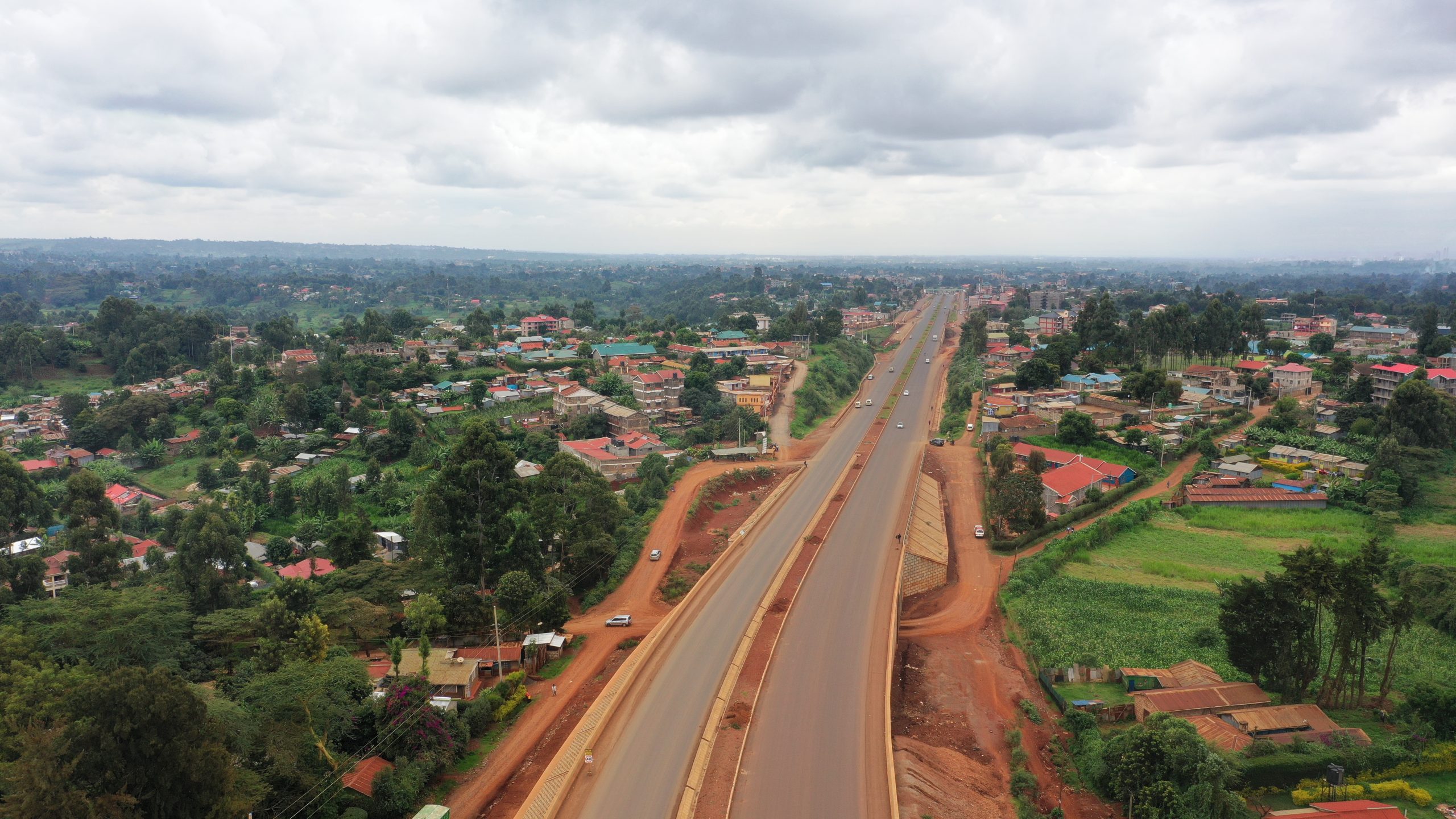
Three major roads spanning seven counties set to transform connectivity across the Lake Victoria Basin
The Kenya National Highways Authority has announced meaningful progress toward the construction of three major highways that will collectively cover 815 kilometres and connect seven counties across the Western, Nyanza, and Rift Valley regions.
ALSO READ: KRA Crosses Ksh2 Trillion Revenue Milestone in Third Quarter of 2025/26 Financial Year
In a notice released on Tuesday, April 7, KeNHA confirmed that the government has secured a World Bank grant to finance the initiative under the Lake Victoria Basin Development Project (LVBDP), and has moved to the next preparatory phase ahead of breaking ground.
“The government has received a grant from the World Bank for the proposed Lake Victoria Basin Development Project and intends to apply part of the proceeds for consulting services,” KeNHA stated in its official notice.
The Three Highways at a Glance
The project encompasses three distinct road corridors, each addressing long-standing infrastructure gaps in their respective regions:
- Port Victoria–Nyamonye–Asembo Bay–Awasi–Katito — the longest of the three at 365 kilometres, traversing parts of Siaya and Kisumu counties
- Homa Bay–Mbita–Sori–Muhuru Bay — a 350-kilometre route cutting through Homa Bay and Migori counties along the southern shores of Lake Victoria
- Chavakali–Kapsabet–Eldoret — a 100-kilometre highway linking Vihiga, Nandi, and Uasin Gishu counties
Together, the network will serve the counties of Siaya, Kisumu, Homa Bay, Migori, Vihiga, Nandi, and Uasin Gishu — a vast swathe of territory that has historically faced significant road infrastructure deficits.
Consultancy Process Now Open
Before construction begins, KeNHA is inviting consulting firms to express interest in updating the critical environmental and social documentation required under World Bank financing rules. Specifically, consultants will be tasked with revising the Environmental and Social Impact Assessments and Resettlement Action Plans to align with updated road designs.
This preparatory phase is expected to take approximately six months and is a mandatory prerequisite before any physical works can commence.
KeNHA noted that firms may form joint ventures or sub-consultancy arrangements to strengthen their technical qualifications, provided the nature of the association is clearly disclosed in the expression of interest. Selection of consulting firms will follow the World Bank’s quality and cost-based procurement method.
Scale of the Investment
Documents reviewed in connection with the project indicate that Kenya received an initial grant of approximately 800 million from the World Bank toward the LVBDP. While this covers the current preparatory and consulting phase, the full financing structure for construction is expected to be detailed as the project progresses through World Bank approval processes.
Anticipated Economic Impact
The highways are expected to deliver broad economic benefits to a region where agricultural productivity and trade have long been constrained by poor road access. Once complete, the network is projected to cut travel times significantly, lower the cost of transporting goods, and strengthen market linkages between rural farming communities and urban commercial centres.
Farmers, traders, and small business owners across the seven counties stand to be among the primary beneficiaries, with improved access to regional markets expected to translate into higher incomes and reduced post-harvest losses for agricultural producers near Lake Victoria.
Beyond commerce, the roads will improve access to essential services — including health facilities, schools, and administrative centres — for populations in areas that have remained difficult to reach during and after the rainy season.